

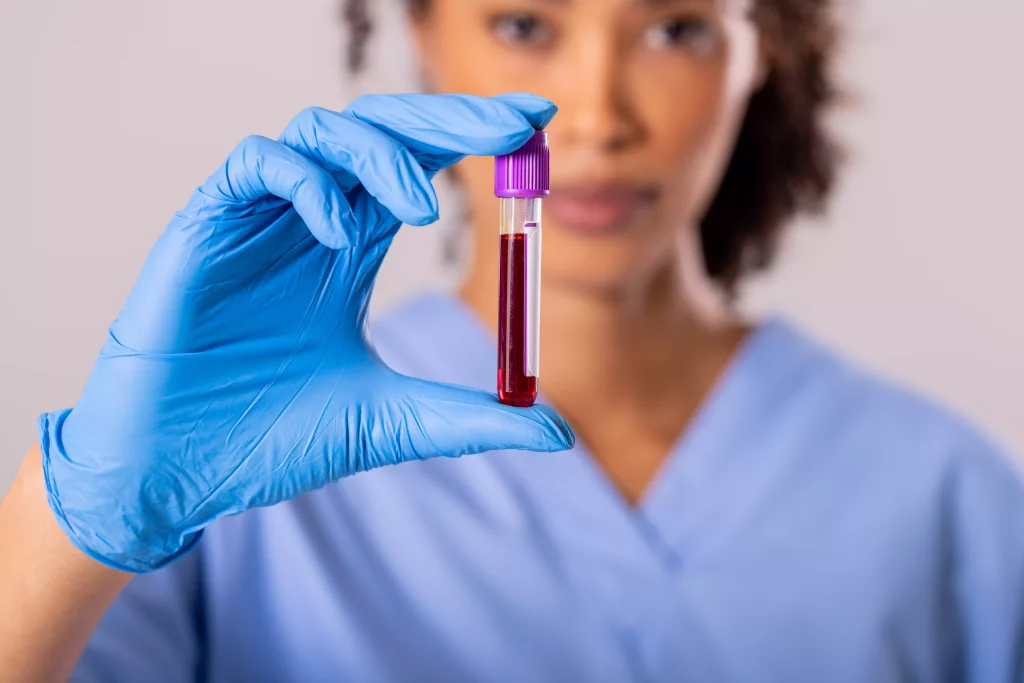
Adopting a vegetarian or vegan diet is a powerful step toward better health, environmental consciousness, and ethical living. However, while this lifestyle provides numerous benefits, it can also present unique nutritional challenges if not carefully managed. Eliminating animal products from your diet can leave gaps in essential nutrients like vitamin B12, iron, vitamin D, and omega-3 fatty acids.
These deficiencies can lead to fatigue, weakened immunity, cognitive issues, or long-term chronic health concerns. That’s why routine lab testing is crucial for anyone following a plant-based lifestyle. By understanding your body’s nutrient status, you can make informed dietary choices and optimize your well-being.
Personalabs offers a wide selection of lab tests tailored specifically for vegetarians and vegans. These nutrition panels are designed to identify common deficiencies, monitor metabolic health, and provide a full picture of how your diet is supporting your overall wellness.
Below, we break down the top 5 nutrition panels from Personalabs that every vegetarian and vegan should consider incorporating into their health routine.
1. Vegetarian/Vegan Nutritional Panel
This panel is the most comprehensive and diet-specific option available from Personalabs for individuals following plant-based lifestyles. It covers critical nutrients that are commonly low or deficient in vegetarian and vegan diets.
It tests for vitamin B12, iron, ferritin, vitamin D, magnesium, calcium, folate, and zinc—essential nutrients for energy production, bone health, immune function, and mental clarity. Many of these vitamins and minerals are less bioavailable in plant-based foods, making testing an essential part of a responsible wellness strategy.
This vegan blood test is ideal for both new and long-term plant-based eaters. It helps you understand if your current diet is supporting your health goals or if supplementation and dietary adjustments are needed.
2. Comprehensive Metabolic Panel (CMP)
While not exclusively designed for vegans or vegetarians, the Comprehensive Metabolic Panel plays a vital role in understanding how your body is functioning at a systemic level. It checks liver and kidney function, glucose levels, protein balance, and electrolyte status—all essential metrics for anyone concerned about their overall health.
A plant-based diet rich in fiber and low in saturated fats is generally associated with improved metabolic markers. However, factors like stress, inadequate calorie intake, or over-reliance on processed vegan foods can negatively impact metabolism. The CMP offers a broad overview of internal health and is often used as a routine wellness check.
3. Vitamin and Mineral Panel
Micronutrient deficiencies can be silent and develop slowly, especially on restrictive diets. This blood panel includes detailed measurements of essential vitamins and minerals, including A, B1, B6, B12, C, D, and E, along with calcium, magnesium, and zinc.
For plant-based individuals, this test is especially valuable for those experiencing symptoms like chronic fatigue, muscle weakness, hair loss, poor immunity, or mood swings—signs that often point to underlying nutrient imbalances.
Understanding which vitamins or minerals are lacking in your system helps you target your food sources or supplements more effectively, avoiding the guesswork of trial-and-error supplementation.
4. Omega 3 and 6 Fatty Acids Test
Omega-3 fatty acids are essential for heart, brain, and joint health. While plant foods like flaxseeds and chia seeds contain ALA (alpha-linolenic acid), the body’s ability to convert it to the bioavailable forms of EPA (eicosapentaenoic acid) and DHA (docosahexaenoic acid) is limited.
This test helps you assess whether your current diet and supplementation practices are meeting your omega-3 needs. It also compares the ratio between omega-3 and omega-6 fatty acids, which is an important marker for inflammation. Many modern diets, including some vegan and vegetarian diets, tend to be omega-6 dominant due to the use of vegetable oils.
Testing ensures that you’re supporting your long-term cardiovascular and cognitive health with a well-balanced fatty acid profile.
5. Thyroid Panel with TSH
The thyroid plays a crucial role in metabolism, energy regulation, and hormonal balance. Thyroid dysfunction is not uncommon among vegetarians and vegans, particularly if their diets are low in iodine or high in goitrogens like soy, which can suppress thyroid activity in sensitive individuals.
This panel includes TSH (thyroid-stimulating hormone), free and total T3 and T4, and thyroid antibodies to screen for autoimmune thyroid conditions.
Symptoms of thyroid imbalance can mimic other nutritional deficiencies, including low energy, mood disorders, weight gain, and difficulty concentrating. Testing your thyroid panel helps you identify whether your symptoms are dietary or hormonal in nature.
Additional Recommended Tests for Plant-Based Dieters
While the above five panels cover the core needs of most plant-based individuals, some may benefit from additional tests based on lifestyle, symptoms, or goals. These include:
- CBC (Complete Blood Count) to monitor red and white blood cell health
- Iron + Ferritin panel for those at risk of anemia
- Vitamin B12 and Folate to track energy and nervous system support
- Homocysteine levels to assess heart health and B-vitamin status
- Magnesium RBC to evaluate intracellular magnesium levels
- Zinc for immune and digestive function support
These individual tests can be selected à la carte or added to any of the major panels offered by Personalabs for a customized nutritional overview.
Why Testing Matters More Than Guesswork
Many plant-based individuals rely on food tracking apps or online calculators to estimate their nutritional intake. While those tools are helpful, they can’t account for absorption rates, bioavailability, or how your unique physiology processes certain nutrients.
Only lab testing provides measurable, actionable data. For example, you might consume enough plant-based iron, but if your ferritin levels are low, your body may still not be storing or utilizing that iron efficiently. Similarly, even with vitamin D supplementation, you could still fall short depending on sun exposure and absorption.
Personalabs makes the testing process simple, private, and accessible. You can order your test online without needing a doctor’s appointment, visit a partner lab near you, and receive results typically within 2–3 business days.
How Personalabs Supports Plant-Based Health
Personalabs is designed for people who take control of their health proactively. The platform bridges the gap between traditional medical care and the growing demand for personalized wellness solutions.
Whether you are a strict vegan, vegetarian, flexitarian, or just plant-forward, Personalabs helps you measure your progress, monitor your health markers, and adjust your lifestyle accordingly. With thousands of lab partners across the U.S., it’s easy to access testing wherever you live.
Additional benefits include:
- Physician-reviewed results and insights
- Fast turnaround times for most test results
- HIPAA-compliant privacy and security
- No insurance required, and no hidden fees
Final Thoughts: Optimize Your Plant-Based Diet with Smart Testing
Being vegetarian or vegan isn’t just about what you leave off your plate—it’s about making sure what you do eat is fueling your body effectively. Nutritional testing is one of the smartest investments you can make in your long-term well-being.
The top Personalabs nutrition panels outlined above give you a clear view of your health status, helping you move beyond assumptions and into data-driven confidence. When you understand your nutrient levels, you can optimize your energy, immunity, and overall vitality—without compromising your values.
Ready to Take Control of Your Plant-Based Health?
Order your vegan nutrition test from Personalabs today and unlock the insights your body’s been waiting for. Don’t leave your health to chance—test smarter, live better.
FAQs: Nutrition Testing for Vegetarians and Vegans
1. How often should vegetarians and vegans get nutrition panels done?
For most healthy adults following a plant-based diet, getting a full nutrition panel once or twice a year is recommended. However, if you’ve recently transitioned to a vegetarian or vegan lifestyle, or if you’re experiencing symptoms like fatigue, brain fog, or hair thinning, it may be helpful to test more frequently—every 3 to 6 months—until your levels stabilize.
2. Can nutrition panels detect early signs of nutrient deficiencies before symptoms appear?
Yes. Many nutrient deficiencies, especially in B12, iron, and vitamin D, can exist for months before symptoms become noticeable. Nutrition panels from Personalabs allow early detection, so you can address imbalances through diet or supplementation before they negatively affect your energy, mood, or overall health.
3. Do plant-based eaters need different reference ranges for lab results?
While the standard reference ranges apply to most individuals, some vegetarians and vegans may naturally have different values for certain markers due to dietary patterns—for example, slightly lower hemoglobin or ferritin levels. It’s essential to interpret results with a provider who understands plant-based physiology to avoid unnecessary concern or misdiagnosis.
4. Are the nutrients tested in these panels affected by supplementation?
Yes. If you take supplements, they can influence lab results—sometimes significantly. For the most accurate baseline, it’s recommended to pause non-essential supplements (especially B12, iron, and multivitamins) 24–72 hours before your blood draw, unless otherwise instructed. Always consult with a healthcare professional before adjusting any supplement regimen.
5. Is fasting required before taking a Personalabs nutrition test?
Some nutrition tests, such as the Comprehensive Metabolic Panel or certain vitamin panels, may require fasting for 8–12 hours prior to the blood draw. However, not all tests do. When ordering your test from Personalabs, instructions will specify whether fasting is necessary for optimal accuracy.
6. Can nutrition panels help with athletic performance on a vegan or vegetarian diet?
Absolutely. Plant-based athletes often have higher nutrient demands, especially for iron, protein-related markers, and B vitamins. Regular testing helps ensure that nutrient levels support endurance, recovery, and strength-building goals. Panels can be tailored to monitor athletic performance and optimize nutrient timing and supplementation strategies.
<script type="application/ld+json">
{
  "@context": "https://schema.org",
  "@type": "FAQPage",
  "mainEntity": [
    {
      "@type": "Question",
      "name": "How often should vegetarians and vegans get nutrition panels done?",
      "acceptedAnswer": {
        "@type": "Answer",
        "text": "For most healthy adults following a plant-based diet, getting a full nutrition panel once or twice a year is recommended. However, if you’ve recently transitioned to a vegetarian or vegan lifestyle, or if you're experiencing symptoms like fatigue, brain fog, or hair thinning, it may be helpful to test more frequently—every 3 to 6 months—until your levels stabilize."
      }
    },
    {
      "@type": "Question",
      "name": "Can nutrition panels detect early signs of nutrient deficiencies before symptoms appear?",
      "acceptedAnswer": {
        "@type": "Answer",
        "text": "Yes. Many nutrient deficiencies, especially in B12, iron, and vitamin D, can exist for months before symptoms become noticeable. Nutrition panels from Personalabs allow early detection, so you can address imbalances through diet or supplementation before they negatively affect your energy, mood, or overall health."
      }
    },
    {
      "@type": "Question",
      "name": "Do plant-based eaters need different reference ranges for lab results?",
      "acceptedAnswer": {
        "@type": "Answer",
        "text": "While the standard reference ranges apply to most individuals, some vegetarians and vegans may naturally have different values for certain markers due to dietary patterns—for example, slightly lower hemoglobin or ferritin levels. It’s essential to interpret results with a provider who understands plant-based physiology to avoid unnecessary concern or misdiagnosis."
      }
    },
    {
      "@type": "Question",
      "name": "Are the nutrients tested in these panels affected by supplementation?",
      "acceptedAnswer": {
        "@type": "Answer",
        "text": "Yes. If you take supplements, they can influence lab results—sometimes significantly. For the most accurate baseline, it's recommended to pause non-essential supplements (especially B12, iron, and multivitamins) 24–72 hours before your blood draw, unless otherwise instructed. Always consult with a healthcare professional before adjusting any supplement regimen."
      }
    },
    {
      "@type": "Question",
      "name": "Is fasting required before taking a Personalabs nutrition test?",
      "acceptedAnswer": {
        "@type": "Answer",
        "text": "Some nutrition tests, such as the Comprehensive Metabolic Panel or certain vitamin panels, may require fasting for 8–12 hours prior to the blood draw. However, not all tests do. When ordering your test from Personalabs, instructions will specify whether fasting is necessary for optimal accuracy."
      }
    },
    {
      "@type": "Question",
      "name": "Can nutrition panels help with athletic performance on a vegan or vegetarian diet?",
      "acceptedAnswer": {
        "@type": "Answer",
        "text": "Absolutely. Plant-based athletes often have higher nutrient demands, especially for iron, protein-related markers, and B vitamins. Regular testing helps ensure that nutrient levels support endurance, recovery, and strength-building goals. Panels can be tailored to monitor athletic performance and optimize nutrient timing and supplementation strategies."
      }
    }
  ]
}
</script>