

When it comes to managing your health, knowledge isn’t just power—it’s prevention. Too often, chronic diseases like diabetes, heart disease, or kidney failure advance quietly with little to no outward symptoms. By the time obvious signs appear, treatment options can become more invasive, more expensive, and less effective. But it doesn’t have to be this way.
A general health panel offers one of the most accessible and cost-effective ways to detect early warning signs of disease. This simple but comprehensive lab test provides a snapshot of your internal health. It measures the vital indicators your body gives off—sometimes long before illness manifests externally. It’s one of the smartest investments in your long-term wellness.
What Is a General Health Panel and What Does It Test?
A general health panel, sometimes referred to as a routine blood test or wellness screen, is a collection of blood tests that analyze key biomarkers across major systems in the body. These biomarkers give insight into how organs and systems are functioning and whether there are any deviations from normal levels that could suggest early disease development.
Typically, a general health panel includes several core components:
- Complete Blood Count (CBC): This test looks at red blood cells, white blood cells, hemoglobin, and platelets. It can reveal infections, anemia, immune system issues, and even signs of blood cancers in some cases.
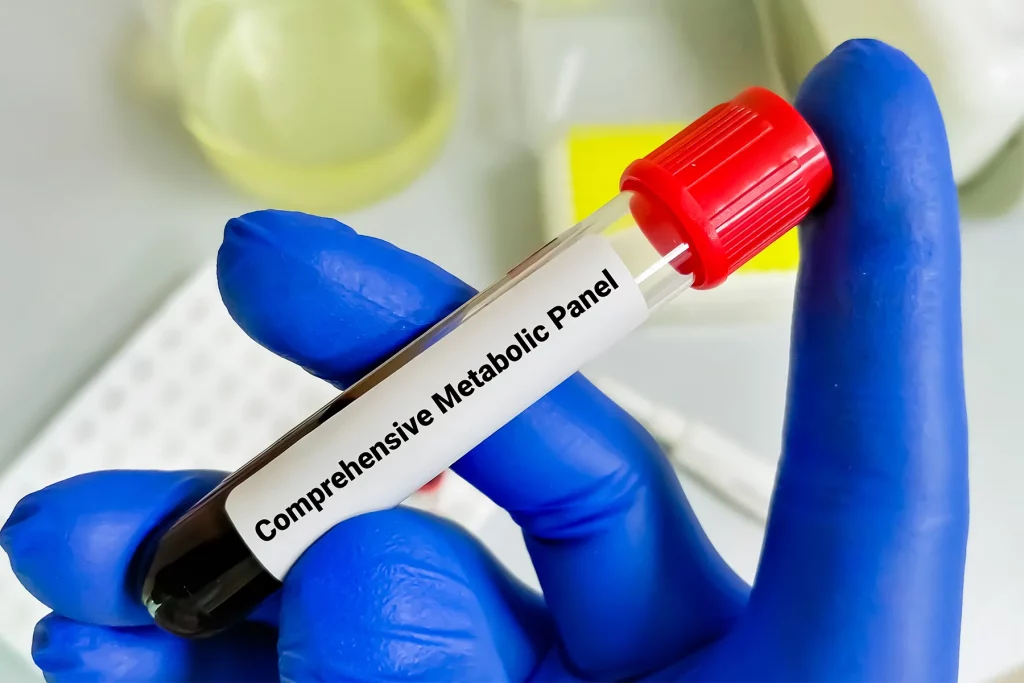
- Comprehensive Metabolic Panel (CMP): This assesses blood glucose, electrolyte balance, and kidney and liver function. It includes markers like sodium, potassium, calcium, creatinine, blood urea nitrogen (BUN), and liver enzymes.
- Lipid Panel: Measures cholesterol levels, including total cholesterol, LDL (low-density lipoprotein), HDL (high-density lipoprotein), and triglycerides. Elevated cholesterol levels are a strong risk factor for cardiovascular disease and stroke.
These panels may also include or be paired with thyroid screenings, vitamin panels, or hormone evaluations depending on the individual’s needs.
How These Panels Reveal Early Warning Signs of Disease
The true value of a general health panel lies in its ability to detect silent abnormalities. These are issues that haven’t yet produced symptoms but are already affecting the body in measurable ways.
Identifying Early Cardiovascular Risk
One of the most common findings in a general health panel is elevated LDL cholesterol or triglycerides. These changes don’t cause immediate symptoms, but over time, they contribute to the buildup of plaque in arteries, leading to heart attacks or strokes. When caught early, simple lifestyle adjustments—or in some cases, medication—can dramatically reduce this risk.
Detecting Prediabetes Before It Becomes Diabetes
High fasting blood glucose levels are one of the clearest indicators of metabolic dysfunction. Prediabetes affects millions of people in the U.S., and many are unaware they have it. A general health panel can catch elevated glucose levels before they reach diabetic thresholds, giving individuals the chance to reverse the trend with diet and activity changes.
Uncovering Liver and Kidney Strain
Liver enzymes such as ALT and AST, or kidney markers like creatinine and BUN, can highlight stress or damage to these vital organs. In many cases, poor function is due to diet, alcohol, medications, or chronic conditions that haven’t yet been diagnosed. Identifying abnormal levels early can help prevent permanent organ damage.
Spotting Blood Disorders and Infections
A low red blood cell count could suggest anemia, while high white blood cell counts may indicate an underlying infection or inflammation. Some abnormalities in a CBC can even lead to early investigation of serious conditions like leukemia or clotting disorders—conditions that benefit greatly from early detection.
Why Early Detection Through Lab Testing Saves Lives
Proactive health monitoring is more than just a smart idea—it’s a proven strategy that leads to better outcomes. The earlier a condition is diagnosed, the more likely it can be managed effectively or even reversed.
Early detection can:
- Reduce the need for more expensive diagnostics later
- Minimize the risk of long-term complications
- Enable less aggressive, more natural treatment strategies
- Provide peace of mind and control over one’s health
Routine general health panels are especially important for individuals with family histories of chronic illness, those on long-term medications, or people experiencing unexplained fatigue, weight fluctuations, or general malaise.
Moving From Reactive to Preventive Care
The traditional model of healthcare has often been reactive: wait until symptoms appear, then seek help. But waiting for symptoms can be dangerous. By that time, a condition might be harder to treat or even irreversible. Preventive care changes this equation by giving people the tools to understand and act on their health risks before those risks become problems.
A general health panel is a cornerstone of preventive care. It requires no special preparation beyond a short fast, can be completed in under 15 minutes at a lab, and returns results in a matter of days. It’s a small investment of time that can change the entire trajectory of your health.
Who Benefits Most From a General Health Panel?
General health panels are ideal for anyone interested in keeping track of their health. However, some groups should prioritize routine testing more than others:
- Adults aged 30 and older, even if they feel healthy
- Individuals with a family history of diabetes, high blood pressure, or heart disease
- People managing chronic stress or irregular sleep patterns
- Those on prescription medications long-term
- Anyone experiencing unexplained changes in mood, weight, energy, or concentration
The earlier you start testing, the more data you collect over time—and that makes it easier to notice when something starts to drift from your normal baseline.
How Often Should You Test?
For most people, an annual general health panel is a good starting point. That said, testing frequency should be personalized. If your last test showed some concerning trends or your lifestyle has changed significantly, retesting every 6 months might make sense.
Regular testing isn’t just about catching disease—it’s also about building awareness. By understanding your personal “normal,” you can more easily identify when something’s wrong.
Start Taking Control of Your Health Today
Waiting for symptoms to appear can cost you valuable time—and health. With a general health panel, you gain insight into your body’s internal signals before they become alarms.
By ordering a general health panel through Persona Labs, you’re making a proactive decision to prioritize your well-being. It’s one of the simplest, smartest steps you can take to stay ahead of health risks.
Don’t wait for a wake-up call. Invest in preventive health testing today and put your future in your own hands.