

Fatigue, brain fog, and general low energy are the classic overlap between low iron and low Vitamin D — two of the most common nutrient deficiencies, and two that are frequently confused with each other. They’re treated very differently, so telling them apart matters.
📅 Last Updated: August 2026 | 🩺 Medically Reviewed by: Edward Salko, D.O., Medical Director | 🧪 Lab Partner: Labcorp
What Low Iron Feels Like
Iron deficiency affects your body’s ability to carry oxygen efficiently. Beyond fatigue, common signs include:
- Pale skin
- Shortness of breath during normal activity
- Cold hands and feet
- Brittle nails or unusual cravings for ice (a classic but lesser-known sign)
- Rapid heartbeat
Iron deficiency is especially common in women of reproductive age, frequent blood donors, and people on plant-based diets.
What Low Vitamin D Feels Like
Vitamin D deficiency tends to show up differently:
- Bone or joint aches
- Muscle weakness
- Low mood, sometimes resembling seasonal depression
- Frequent illness (Vitamin D plays a role in immune function)
It’s especially common in winter months, in people who spend most of their time indoors, and in those with darker skin tones, which reduces natural Vitamin D synthesis from sunlight.

Why They’re Easy to Confuse
Both conditions cause overlapping fatigue and low energy, and both are common enough that many people have some degree of one or both without realizing it. The only reliable way to tell them apart is direct testing — symptoms alone aren’t specific enough to self-diagnose accurately.
The Tests You Need
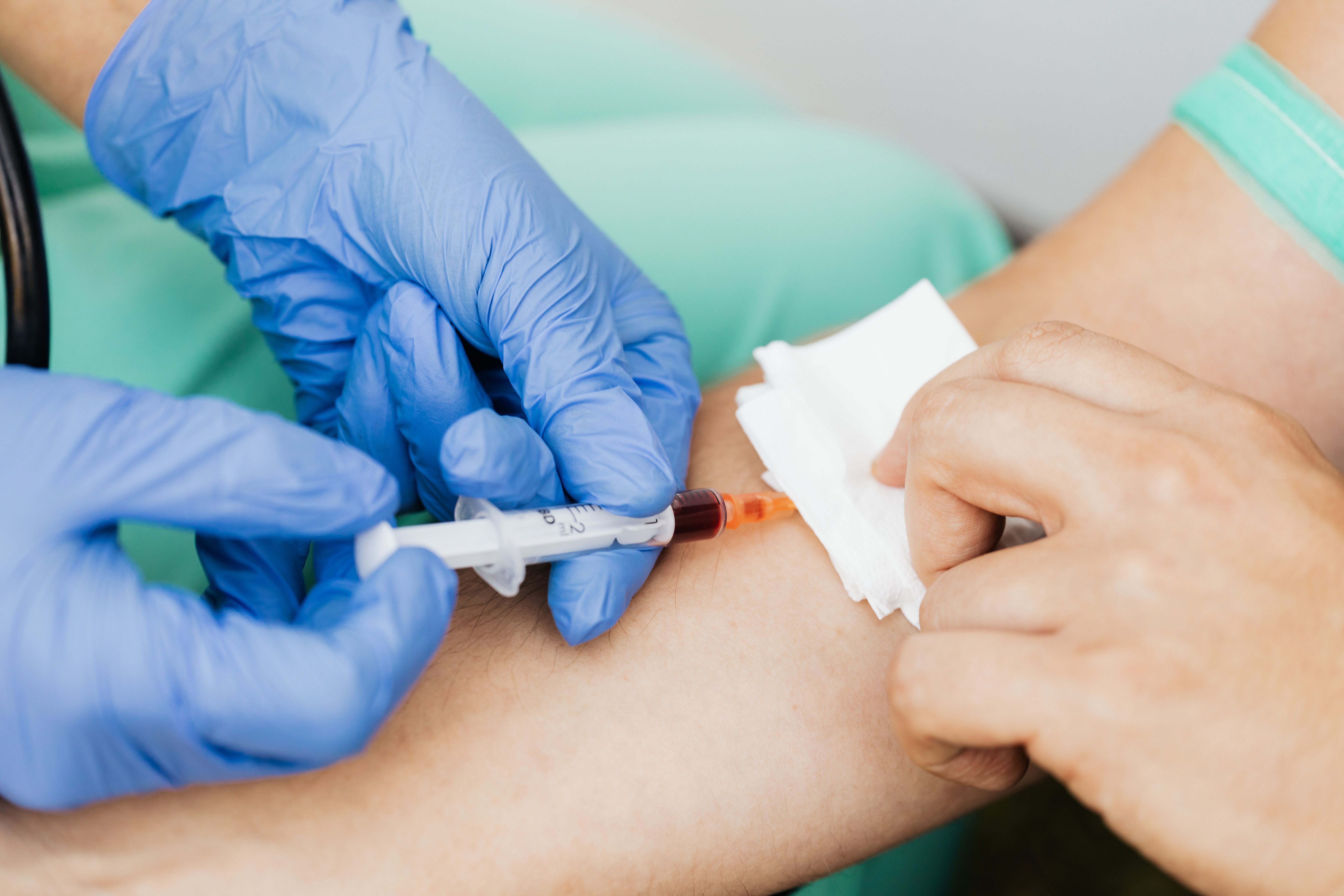
For iron: A Ferritin test measures your stored iron directly, which is more sensitive than a standard CBC alone for catching early deficiency.
For Vitamin D: A 25-Hydroxy Vitamin D test is the standard, most accurate way to check your levels.
Per the NIH Office of Dietary Supplements, Vitamin D deficiency is common enough that routine screening is often recommended for at-risk groups, even without clear symptoms.
You can order a Ferritin test or a Vitamin D test individually, or both together if you’re not sure which applies — no doctor’s visit needed, with results delivered securely online.
Frequently Asked Questions
Can I have both low iron and low Vitamin D at the same time?
Yes, this is common, and the fatigue from each can compound the other, making it harder to identify by symptoms alone.
Do I need to fast for either test?
No. Neither a Ferritin test nor a Vitamin D test requires fasting.
How quickly can these deficiencies be corrected?
Vitamin D levels typically respond to supplementation within 8-12 weeks. Iron repletion can take longer, often 3-6 months, depending on severity.
Is one deficiency more serious than the other?
Both can significantly affect quality of life if left untreated, and severe iron deficiency can progress to anemia. Neither should be ignored if confirmed by testing.
Should I take supplements before getting tested?
No — testing first gives you an accurate baseline. Starting supplements beforehand can mask your true levels and make it harder to know if you actually needed them.
This article is for informational purposes only and is not a substitute for professional medical advice, diagnosis, or treatment. Always talk to your doctor about your specific health situation.