


Sweet, juicy, delicious, but sometimes prickly on the tongue – that’s the pineapple! A common ingredient in tropical-themed recipes, the pineapple can be a complete delight if not for its ability to burn your mouth. While not everyone may experience such adverse effects, it is imperative to seek immediate relief.
📅 Last Updated: April 2026 | 🩺 Medically Reviewed by: Edward Salko, D.O., Medical Director | 🧪 Lab Partner: Labcorp
Why Does Pineapple Burn The Mouth?
Pineapples contain bromelain, a proteolytic enzyme that breaks down proteins. Hence, when you eat fresh pineapple, the bromelain disintegrates the protein in the tongue, lips, and mouth, causing a burning or tingling sensation(1). This effect also gives way to mild inflammation.
If a pineapple burns your mouth or even your tongue, do the following to achieve relief.
Pineapple Burn Remedies — Quick Reference
| Remedy | How It Works | Time to Relief |
|—|—|—|
| Salt water rinse | Neutralizes bromelain, reduces inflammation | 1–2 minutes |
| Cold water or ice | Numbs tissue, washes away enzyme | Immediate |
| Milk or yogurt | Coats tongue, temporary protein barrier | 2–5 minutes |
| Bland starchy foods (bread, crackers, rice) | Absorbs bromelain, dilutes enzyme | 3–5 minutes |
| Honey | Anti-inflammatory coating, soothes tissue | 2–5 minutes |
| Time | Bromelain breaks down naturally | 30 min–2 hours |
Rinse With Saltwater
Add one teaspoon of salt in a glass of water. Rinse the solution to soothe the pineapple burn on your tongue for about 30 seconds. Do it repeatedly until the prickling sensation is gone. You can also rub some salt in the localized area where the tingling is more apparent.
Saltwater neutralizes bromelain activity(2). On top of that, it also contains antiseptic properties that reduce inflammation.
Sip Cold Water
Drinking cold water and letting it sit for a short time in the affected area of your mouth can help reduce the burning sensation caused by the pineapple enzyme.
The low temperature creates a numbing effect on the tissue. Plus, water itself stimulates the production of saliva(3), which washes away the bromelain, helping neutralize its impact.
You can also consider sucking on popsicles or eating chilled fruits with high water content, like watermelon and cucumbers.

Drink Milk
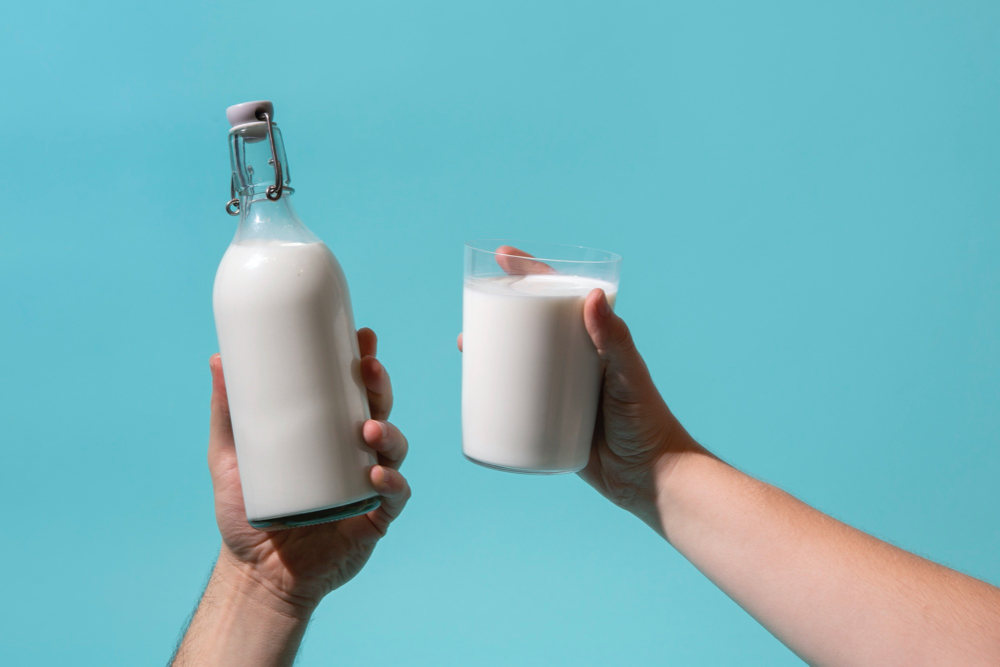
If saltwater or cold water isn’t available, milk is the next best liquid alternative. While not as effective in neutralizing bromelain as the first two remedies, milk provides temporary relief as it coats the tongue, protecting it against the enzyme. It’s even better when it’s cold.
Depending on availability, you can also choose other dairy products, like yogurt and ice cream.
Eat Something Bland
Grab some crackers, rice, bread, or any food with a neutral taste to dilute the impact of bromelain or absorb the juices from the pineapple. Avoid acidic foods, as they may aggravate the inflammation.

| Fun Fact: Bromelain has earned its reputation as a meat tenderizer in the culinary industry. Bromelain powder is extracted from pineapples and is used to cook tough meat. |
When To See a Doctor
The mild burning pain from eating pineapple is temporary and should be gone when the bromelain activity is intercepted. If the prickling sensation worsens even after applying the remedies mentioned above and other adverse effects emerge, consider going to the emergency room.
Pineapple allergy can sometimes be mistaken for a superficial burn from bromelain. Pineapple allergy symptoms should be observed if the burning sensation intensifies. These symptoms include the following:
- Itching, swelling, and pain in the mouth and throat
- Hives (usually around the mouth)
- Stomach cramps
- Diarrhea
- Nausea and vomiting
- Wheezing
- Nasal congestion
Although rare, an allergy to pineapples can have life-threatening consequences if not treated on time. Learn more about how allergies develop and remedies to consider alongside your doctor’s prescription.
How to Prevent Pineapple from Burning Your Mouth
You can enjoy eating a pineapple without the mouth-tingling effect by preparing the fruit thoroughly before consumption. Consider the following methods when serving pineapples.
- Soak the pineapple in saltwater: For 30 minutes, place the fresh pineapple chunks or slices in a bowl with saltwater solution. As established above, salt can dilute bromelain, making it less likely to break down your oral tissues.
- Remove the core: The pineapple stem has the most concentrated bromelain(4). In its fruit, the core is directly connected to the stem, making it saturated by bromelain compared to the other parts. When slicing a fresh pineapple, leave the core out.
- Cook the pineapple: Boiling the pineapple can significantly reduce its enzymatic activity. You can also grill or roast the fruit for an added smoky flavor.
- Use canned pineapples: Processed pineapples have undergone heating, which deactivates bromelain. Hence, they’re safer to eat than their fresh counterparts as far as preventing the burning sensation goes.
If you’re not allergic to pineapples, you can still enjoy a piece or two without needing relief after. Aside from its remarkable taste, pineapples also contain high concentrations of vitamin C, which greatly helps with immunity and other essential physiological processes. Find out what other fruits are rich in vitamin C to see your choices.
Frequent Reactions to Foods? It May Be More Than Bromelain
If you regularly experience burning, tingling, swelling, or digestive discomfort after eating certain fruits, vegetables, or foods — not just pineapple — it may indicate an underlying food sensitivity or allergy rather than a normal bromelain reaction.
Oral Allergy Syndrome (OAS) is a condition where the immune system cross-reacts to proteins in raw fruits and vegetables that are similar to pollen proteins. People with OAS experience mouth tingling, itching, or burning when eating raw pineapple, apples, peaches, kiwi, and other fresh fruits — but can typically tolerate cooked versions of the same foods.
If your reaction to pineapple or other foods includes hives, facial swelling, throat tightening, or digestive distress beyond mild discomfort — a food allergy panel blood test can identify specific IgE antibodies to common food allergens.
Personalabs offers food allergy and food sensitivity testing without a doctor’s visit. Order online, visit any Labcorp location, and get results in 24–48 hours.
Frequently Asked Questions: Pineapple Burns Tongue
Why does pineapple burn my tongue?
Pineapple contains bromelain — a proteolytic enzyme that breaks down proteins. When you eat fresh pineapple, bromelain begins digesting the proteins in the soft tissue of your tongue, lips, and mouth, causing a burning or tingling sensation. This is a normal reaction and not an allergy. The sensation typically resolves within 30 minutes to 2 hours. Canned or cooked pineapple does not cause burning because heat deactivates bromelain during processing.
How do I stop pineapple from burning my tongue?
The fastest relief comes from gargling salt water for 30 seconds to neutralize the bromelain. Cold water, milk, or yogurt provide quick soothing by coating the affected tissue. Eating bland starchy foods like bread or crackers absorbs the enzyme and dilutes its effect. The burning sensation typically resolves on its own within 30 minutes to 2 hours without any treatment.
Is pineapple burning my tongue an allergy?
Usually not. The burning sensation from pineapple is typically caused by bromelain enzyme activity and is a normal reaction in sensitive individuals — not an allergy. However if you experience hives, facial swelling, throat tightening, difficulty breathing, or severe digestive distress after eating pineapple, that may indicate a true pineapple allergy or Oral Allergy Syndrome and warrants evaluation with a food allergy blood test.
Does cooking or canning pineapple prevent tongue burning?
Yes. Heat deactivates bromelain. Canned pineapple, cooked pineapple in dishes, and pineapple juice (which is pasteurized) do not cause the burning sensation because the bromelain enzyme has been destroyed during processing. If you want to enjoy pineapple without the burning effect, use canned pineapple or cook fresh pineapple before eating.
How long does pineapple burn last?
The burning sensation from pineapple typically lasts between 30 minutes and 2 hours depending on how much pineapple was eaten, your individual sensitivity to bromelain, and whether you use any remedies. Salt water rinse, cold water, and dairy products can reduce the duration significantly. The tissue heals quickly because bromelain does not cause permanent damage to healthy oral tissue.
The Bottom Line
Pineapples are delectable treats for many. If you are prone to the mouth-tingling sensation after biting in on its flesh, it could dampen the experience. Still, you can achieve relief by gargling salt water, drinking something cold, or consuming other foods to counteract the bromelain effect. More importantly, however, check in on how the pineapple is prepared. But if the pain goes beyond a tingling sensation and other discomforts emerge, consult your doctor and be on the lookout for pineapple allergy symptoms.
Sources
1 Santonocito S, Donzella M, Venezia P, Nicolosi G, Mauceri R, Isola G. Orofacial Pain Management: An Overview of the Potential Benefits of Palmitoylethanolamide and Other Natural Agents. Pharmaceutics. 2023 Apr 9;15(4):1193. doi: 10.3390/pharmaceutics15041193. PMID: 37111679; PMCID: PMC10142272.
2 Vilanova-Neta J, Menezes D, Barreto M, Souza J, Carvalho-Neto A, Lédo A, Ruzene D, Silva D. Effect of salt stress on the activity of bromelain in pineapple plants grown In vitro. BMC Proc. 2014 Oct 1;8(Suppl 4):P199. doi: 10.1186/1753-6561-8-S4-P199. PMCID: PMC4210807.
3 Ship JA, Fischer DJ. The relationship between dehydration and parotid salivary gland function in young and older healthy adults. J Gerontol A Biol Sci Med Sci. 1997 Sep;52(5):M310-9. doi: 10.1093/gerona/52a.5.m310. PMID: 9310086.
4 Varilla C, Marcone M, Paiva L, Baptista J. Bromelain, a Group of Pineapple Proteolytic Complex Enzymes (Ananas comosus) and Their Possible Therapeutic and Clinical Effects. A Summary. Foods. 2021 Sep 23;10(10):2249. doi: 10.3390/foods10102249. PMID: 34681298; PMCID: PMC8534447.